Home>Our Team

Meet the Team Behind Your Recovery Journey

Our experienced and compassionate team is dedicated to guiding you toward a life of balance and well-being. Together, we’ll help you unlock your full potential.

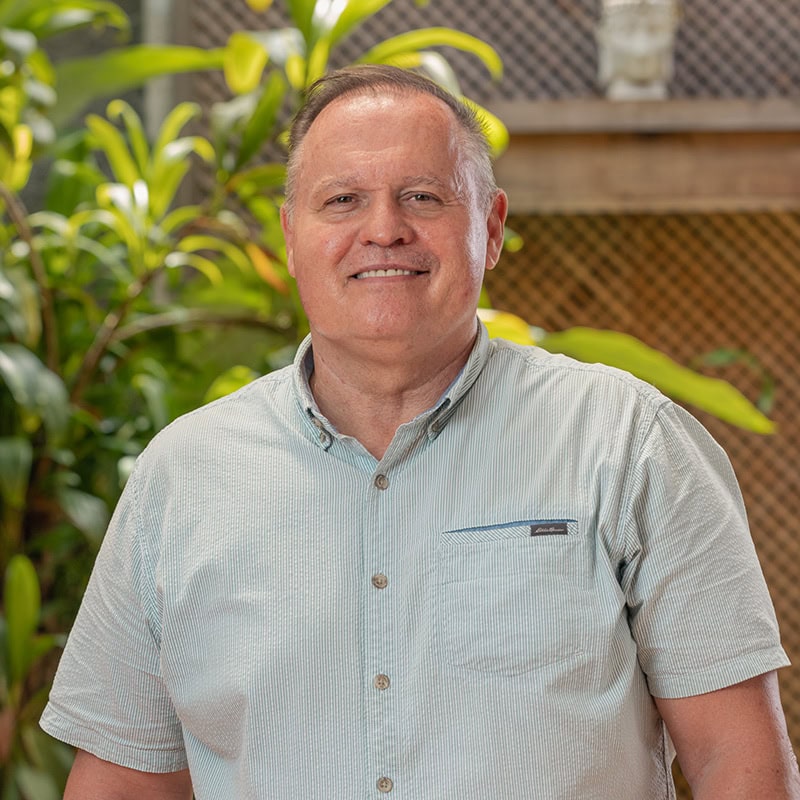
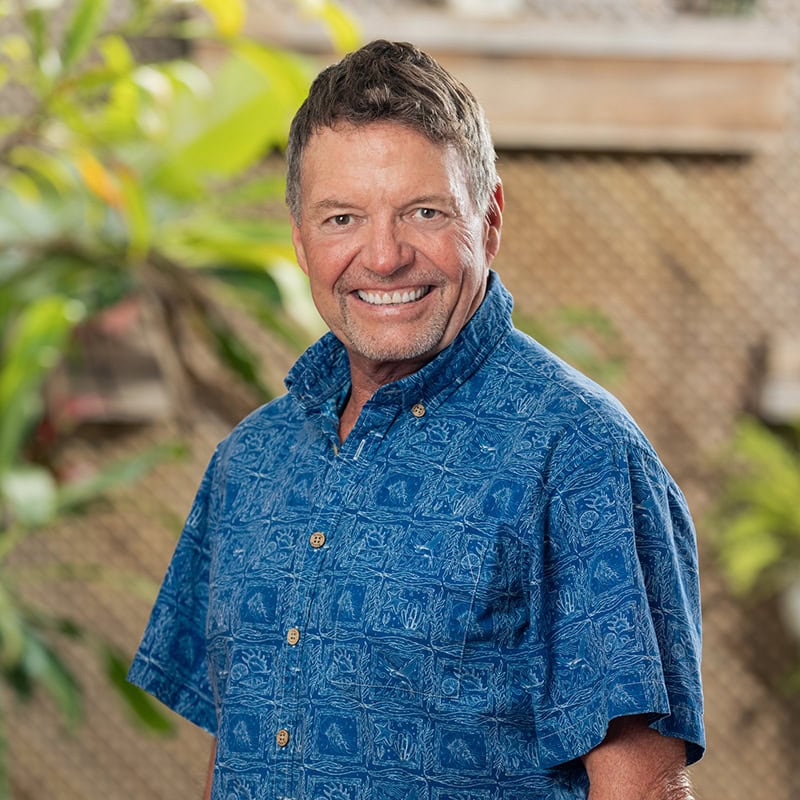
  • Scott Huseby, owner of Costa Rica Recovery in a blue shirt with palm trees in the background

    New Owner of Costa Rica Recovery Aims to Make Drug Rehab Available to Costa Ricans and Travelers from North America

    Cleaning & Hospitality

    Read Bio

    New Owner of Costa Rica Recovery Aims to Make Drug Rehab Available to Costa Ricans and Travelers from North America

    Cleaning & Hospitality

    Scott Huseby is the new owner of Costa Rica Recovery in San José, and he has purchased the rehabilitation center in order to provide a safe, uplifting environment for newly recovering individuals to focus on their underlying issues and implement changes to stop using drugs and alcohol.

    The residential rehabilitation program allows for privacy and removes the pressures and interruptions of home, so that the person undergoing treatment can give their full focus to the unique holistic program that addresses the physical, spiritual, and mental aspects of recovery.

    This immersive program appeals to visitors from other parts of Latin America, the United States and Canada. In order to make more of an impact in Costa Rica, Scott has implemented a 50% discount for Costa Rican residents who want to receive treatment at the center (residents need to have lived in Costa Rica for 10 years, see below for contact information).

    “Addiction touches people of every background, and by making treatment available, we aim to make a positive difference in San José, and all of Costa Rica,” said Scott.

    Prior to becoming the owner of Costa Rica Recovery, Scott Huseby started Huseby & Associates in 1989 in East Charlotte, North Carolina out of a spare bedroom in his house. Over the course of the next few decades, he grew the company to over 40 locations and completed 34 mergers and acquisitions of other court reporting firms. Huseby, Inc., was recently sold for an undisclosed amount and is still one of the largest and most respected litigation support companies in the world, with hundreds of employees in the US and thousands of independent contractors around the world.

    Scott Huseby is a Registered Professional Reporter, accredited with the National Court Reporters Association and worked for the Western District of North Carolina as an Official Court Reporter from 2001 to 2007.

    Beyond his professional success, Scott discovered a deeper purpose after experiencing the healing power of recovery firsthand. In 2013, after the death of his mother, father, uncle and several close friends due to alcohol abuse, Scott acknowledged his own difficulties with alcohol and entered treatment at Dilworth Treatment Center in Charlotte, North Carolina.

    The calling to help others led him to Costa Rica, where he became the owner of Costa Rica Recovery. Scott now uses his leadership and lived experience to walk alongside others on their recovery journey, offering the same hope and healing that changed his life.
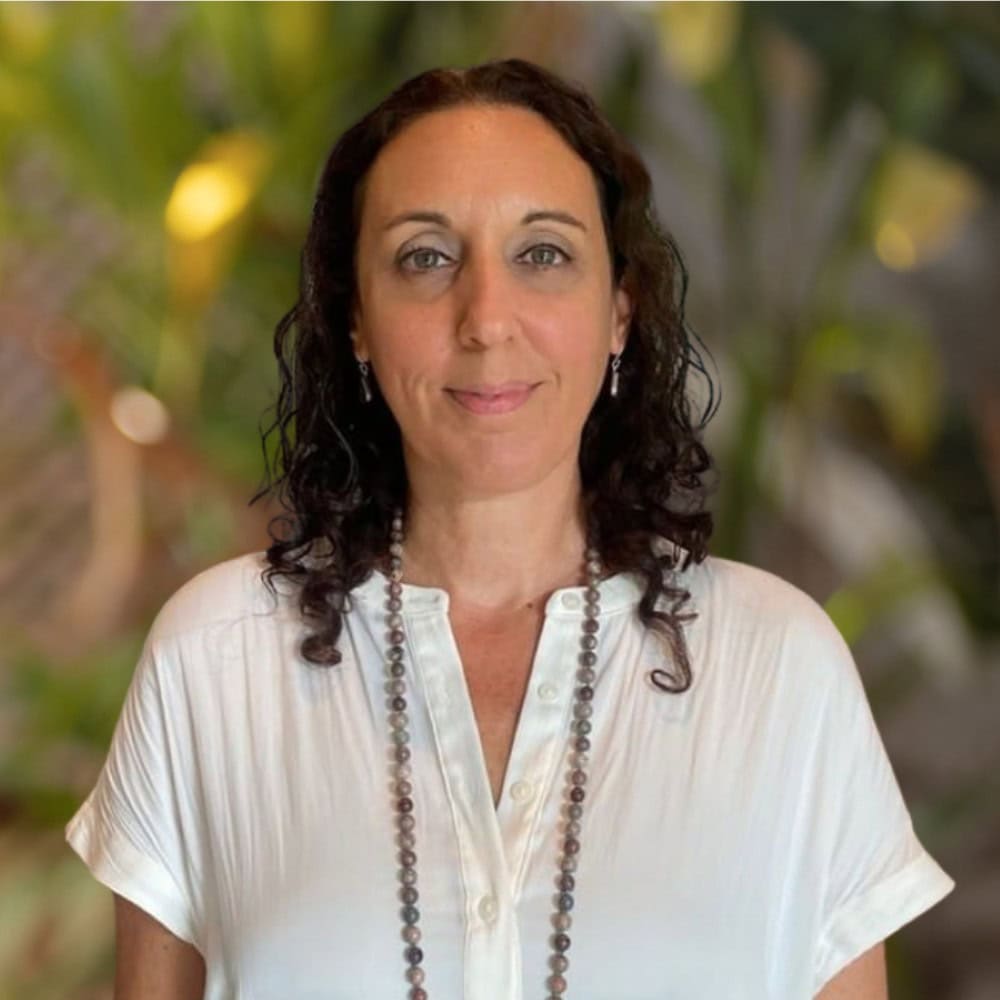
    When Scott isn’t at the facility supporting participants and staff, he continues caring for himself and others through community connection. He frequently attends Sober Surfers 12-Step meetings, a group he helped cultivate in a peaceful coastal region of Costa Rica. These gatherings often take place at a tranquil retreat affectionately known as The Treehouse, where recovery, nature, and fellowship intertwine.

    Scott’s life is a testament to the power of new beginnings, and to the belief that healing is possible for everyone.

    More About Costa Rica Recovery:

    The treatment program’s location in healing Costa Rica offers privacy and removes the pressures and interruptions of home, allowing clients to fully engage in a unique holistic treatment program that addresses the physical, spiritual, and mental aspects of recovery.

    Scott Huseby has collaborated with the clinical team to create a holistic program that goes beyond simply stopping drug or alcohol use. Clients complete the program well-grounded in recovery principles and daily practices.

    Evidence-based therapeutic practices like cognitive behavioral therapy (CBT), dialectical behavior therapy (DBT), rational emotive behavioral therapy (REBT) are incorporated into the one-on-one counseling sessions to help the client progress through the stages of change.

    There are also many experiential and holistic elements included, such as yoga, mindfulness and meditation activities, art therapy and nature excursions to help complete the transition to a joyous life without drugs or alcohol.

    For More Information:

    Costa Rica Recovery Center can be reached at 1 (866) 804-1793, or through their website: https://costaricarecovery.com/. The facility is located in the city of San José, Costa Rica.

  • Women holding hands and supporting one another during a group therapy session.

    12 Step Recovery Communities Help People Around the World

    Cleaning & Hospitality

    Read Bio

    12 Step Recovery Communities Help People Around the World

    Cleaning & Hospitality

    You may have heard this before, but in recovery, you’re never alone. I’ve seen a lot of the world and experienced fellowship in so many wonderful locations. One thing that never changes in recovery is that you’re made to feel welcome at every support group. Just as addiction is a phenomenon found everywhere, so are the experience, strength, and hope of recovery from addiction. People in recovery come from all walks of life and all corners of the world. Some incredible destinations host powerful recovery communities across the globe.

    Research has proven time and time again that 12-step groups are a vital part of getting and staying sober for millions of people. Alcoholics Anonymous (AA) has been helping people stay sober for over 90 years and counting. Science now points to the power of supportive relationships in the program, i.e., fellowship and community, as a reason these support programs are so successful.

    A recovery community can be a true home-away-from-home while away at treatment, on the road, or living as an expat. Many communities offer something special to their members, whether it’s the artist community at Burning Man or sober surfers in Costa Rica. Whoever you are and whatever hobbies you love, there’s space for it, and you are in recovery.

    Safe, Inclusive Sober Spaces Around The World

    Recovery meetings are an important way to stay sober, connect with others, and explore your thoughts and feelings in a safe space. Once you get sober, you don’t have to live in a vacuum! People from all walks of life and in all locales around the world have support meetings. Whether traveling abroad, attending a music festival, or staying at the surfside, there are many ways to meet new and exciting people in recovery.

    International 12-Step Recovery Communities

    Twelve-step recovery communities have established a global presence, offering support to people across the world who want to stay sober and live a better lifestyle without drugs or alcohol.
    In countries like Spain, Mexico, and Thailand, 12-step programs such as Alcoholics Anonymous and Narcotics Anonymous have been well-established for decades. There are regular meetings in many major cities, providing accessible support networks for people in recovery to thrive.

    Bonnaroo Music and Arts Festival  (Soberoo)

    Bonnaroo, an annual music and arts festival in Tennessee, offers Soberoo, a dedicated sober camp for attendees in recovery or teetotalers. This lets attendees connect and enjoy the festival without peer pressure or being overwhelmed by triggers. This supportive space welcomes people in recovery to a space where they can bond over music, relax, and recharge. The recovery community within Soberoo helps festival attendees have a great time while keeping their commitment to their sobriety.

    Bonnaroo also hosts daily 12-step meetings for attendees in recovery. Through this community, sober attendees can experience a concert without the stress of being surrounded by people who are using drugs or drinking.

    Recovery Camps at Burning Man

    Artists and free spirits find recovery and sober camaraderie in all sorts of places. During the world-famous Burning Man arts-and-culture festival, multiple recovery groups, such as Anonymous Camp, host daily meetings for attendees in recovery from addiction. These include Alcoholics Anonymous (AA), Narcotics Anonymous (NA), and other 12-step groups.

    If you’re looking for year-round 12-step meetings near the Black Rock Desert area, nearby cities like Reno, Nevada, have active 12-step communities. You can check AA’s official website or NA’s website for meetings near Reno or online options.

    Nosara, Costa Rica’s “Sober Surfers” Meeting

    Sand, surf, and sun are all good for your mental and physical health. That may be why the “Sober Surfers” group in Nosara, Costa Rica, is such a thriving group. In fact, I enjoyed it so much that when it found itself without a facility to meet, I started hosting it in my home, known as “The Treehouse.” The meeting happens every Monday, Wednesday, and Friday, even when I am travelling out of town. The coastal beauty and peaceful ambiance of this location make it an ideal location for those in recovery.

    Surfing can be a uniquely therapeutic exercise that draws you out of yourself to focus on the moment. In many ways, surfing embodies some 12-step principles, such as surrender, mindfulness, and connection. In recovery, we learn to accept life on life’s terms, much like a surfer must surrender to the power of the ocean. The waves are unpredictable, requiring patience, resilience, and the ability to adapt—skills that are essential for maintaining sobriety.

    With 12-Step Meetings, You Always Have Community

    12-step meetings are the bread and butter of recovery; without networking and sharing our experience, strength, and hope, we’re alone in the struggle. Being in recovery means that you’re never alone, whether you’re coping with uncomfortable emotions, a desire to drink or use, or other struggles. You can pick up the phone and call a friend from the rooms or a 12-step hotline any time, day or night.none none

    No matter where you are in the world, there’s often a 12-step meeting available and a hug and a handshake when you walk through the door. There are even large periodic conventions filled with people from all over the world where you can make friends and learn from their experiences. AA and NA make it so you always have a home away from home to turn to, and there are directories of meetings worldwide. So, why not get out there and explore all the world has to offer you? (And then get to a meeting!)

  • Facilitator leading a group sound therapy session with singing bowls and a gong at Costa Rica Recovery.

    Mindfulness Activities Improve Addiction Treatment Outcomes

    Cleaning & Hospitality

    Read Bio

    Mindfulness Activities Improve Addiction Treatment Outcomes

    Cleaning & Hospitality

    Many recovering people use mindfulness to help manage their emotions. What does mindfulness mean, exactly? By definition, it’s an awareness of yourself and your surroundings. It means noticing your thoughts, feelings, and surroundings without judgment. Instead of worrying about the past or future, mindfulness can help you focus on what is happening now. Yet mindfulness is also more than this; it’s a tool for growing and managing life challenges. People often use mindfulness to feel calmer, reduce stress, and improve well-being.

    The Origins of Mindfulness

    Mindfulness is not a new concept; it’s been around for thousands of years. Ancient Buddhist traditions used similar techniques to develop inner peace and awareness. Inspired by these teachings, a scientist named Jon Kabat-Zinn created a program to help introduce mindfulness to medicine and psychology. The program, called Mindfulness-Based Stress Reduction (MBSR), taught people to use mindfulness to deal with everyday stress, anxiety, and other uncomfortable emotions. Today, many formal and informal programs, videos, and books can help you develop your own skills.

    People practice mindfulness in different ways. Some people use it as a meditation technique, where they sit and quietly focus on their breathing. Others use it during outdoor activities, such as surfing, walking, or hiking. Mindfulness can also be used as a part of therapy, helping people manage their emotions and thoughts in a healthier, more positive way.

    How Does Mindfulness Help People in Recovery?

    For those in treatment for a substance addiction, managing emotions becomes an important skill, especially in early recovery. Mindfulness is a great tool for managing uncomfortable emotions. Activities like mindful breathing exercises or guided meditations that take the participant through a body scan can help people learn to identify and better manage stress, anxiety, and negative thoughts.

    Mindfulness can help you confront challenges more positively. By practicing mindfulness, people can feel more in control of their emotions and live a more peaceful life.

    Mindfulness: What The Research Says

    A deep dive eight years’ worth of data in Frontiers in Psychiatry evaluated mindfulness-based interventions for treating mental health disorders, with a special focus on people in drug treatment. The review concluded that mindfulness can be a good tool for reducing substance use and other addictive behaviors. It also can help reduce depression and anxiety among people with substance use disorders.

    Being more in tune with your thoughts and feelings can allow you to make better decisions. Mindfulness helps you take a step back, breathe, and find time and space for more awareness. This heightened awareness can help with a couple of things. It can help people manage cravings, reduce stress, and improve emotional well-being. All of these are important goals for people in recovery.

    Mindfulness: When to Use It

    There are many scenarios where practicing mindfulness can have a positive impact on your life. Here are some ways to use mindfulness as a healthy coping skill:

    • Cravings: Instead of fighting with the thoughts in your head about drinking or using substances, take a deep breath instead. Notice the craving and the physical sensations, such as your increased heartbeat and faster breathing, without reacting. Remind yourself that this, too, will pass, just like a wave in the ocean.
    • Stress: Stress can make you want to escape, but mindfulness helps you stay present. Take a moment to breathe deeply, feel your feet on the ground, and focus on what you can control.
    • Negativity: When you feel like you’re in a bad headspace, it’s easy to let negative thoughts or feelings snowball. If your mind is telling you that you’re not good enough, or any variation of self-deprecating thoughts, stop and notice those thoughts. Acknowledge them but don’t believe them. Let them pass like clouds in the sky.
    • Anger: Anger is a difficult emotion to sit still with. Many people feel like they need to “do something” when they are angry. The next time you feel anger, before reacting, take a pause. Breathe and ask yourself, “What do I need right now?” Mindfulness helps you respond in a way that keeps you on the right path. Maybe you need to practice self-care by taking a bath or going to a meeting.
    • Loneliness: Everyone feels lonely from time to time. Instead of getting lost in sadness, bring your attention to the present moment. Notice the sights, sounds, and sensations around you. Remind yourself that you are not alone, even when you feel that way.
    • Insomnia: A lot of people, especially in early recovery, struggle with sleep. If your mind won’t stop racing at night, try mindfulness. Focus on your breath, relax your body, and let go of the need to force sleep. Just rest and be present.
    • Shame: Many people feel ashamed of their behavior, especially things that happened during their addiction. Recovery isn’t easy, and you might feel guilty about your past sometimes. Mindfulness helps you accept where you’ve been while focusing on where you’re going. You are not your mistakes, but you can certainly learn from them.

    These are just a few ways that mindfulness can serve you as a tool in recovery. You don’t have to have a specific reason to use it as a tool, either. You can make it a part of your day and flex your mental muscles. Getting into a good habit always yields positive results. 

  • People sharing their experiences during a group therapy session.

    Why Attending Support Groups More Frequently During Early Recovery Helps Manage the Stress of Early Sobriety

    Cleaning & Hospitality

    Read Bio

    Why Attending Support Groups More Frequently During Early Recovery Helps Manage the Stress of Early Sobriety

    Cleaning & Hospitality

    Life in recovery can feel overwhelmingly difficult at times. We live in a stressful era and often don’t notice stress building up until it’s too late. The temptation to isolate can be hard to resist, and this allows many people to pursue their addiction in private. Support groups can be a key part of any successful relapse prevention effort.

    Humans are social creatures, and addiction often takes away some of that humanity. It can fill the addicted person with shame and self-loathing.  It can isolate people from their loved ones and keep them from doing things they enjoy.

    In recovery, activities with other recovering people can be the glue that holds your new life together. Support groups—especially 12-step meetings—are a powerful way to manage stress and maintain emotional balance. The sense of fellowship, support, and camaraderie at meetings can lend stability to your life, even when everything else feels uncertain.

    Even studies show that “people power” – the kind you discover when you’re at a 12-step meeting or recovery-related event – actually contributes to better outcomes for people in sobriety.  Long-term research has shown that people who attend 12-step meetings regularly – up to three times a week or more – stay sober for much longer than those who don’t, often up to 16 years or more without a relapse.

    The Power of Community in Recovery

    Twelve step meetings are a place to find strength in numbers and a strong sense of community. After all, recovery is not meant to be a solo journey. Meetings are where people in recovery meet others who have been through the same challenges and can learn from each other. Sharing your experiences with other members of the group can help create a sense of belonging.

    During high-stress periods, going to meetings more frequently reinforces this sense of connection. Many people going through a difficult time will make it a goal to go to a meeting every day or do “30 meetings in 30 days” to stay grounded. Hearing others share their victories and setbacks can help people in recovery find reassurance that the challenges they’re facing are temporary.

    A 12-step meeting is the best place to go when you’re feeling low, even when you feel like you don’t want to go. Meetings are like a home base, and you’re welcome there no matter what. They are vital when you are going through a rough patch.

    Emotional Support Is a Lifeline in Tough Times

    Stress, anxiety, and uncertainty can feel suffocating, but support groups offer a safe space to talk in a judgment-free zone. Sharing your struggles can be cathartic, allowing stress to be released rather than bottled up. A burden shared is a burden lessened.

    People also have valuable experiences to share at 12-step groups. Other people’s experience, strength, and hope are priceless. You can find much of it within the walls of any 12-step meeting.

    Accountability and Encouragement

    When stress levels rise, it’s a bit easier to fall into old habits or destructive thought patterns. 12-step support groups help people stay accountable to their commitments and goals. Regular attendance creates a routine, reinforcing healthy coping strategies. It’s a solid strategy for relapse prevention and networking with others.

    People also get to know you! They will understand your challenges and want to help you meet them. You’ll make friends, hopefully find a 12-step sponsor, and become a vital part of groups you attend regularly.

    Encouragement from sober friends also plays a crucial role in sobriety. Hearing “Keep coming back” or “You’re not alone” reinforces that you’re welcome and have a home away from home, even when things feel tough. The group dynamic provides a built-in support system that uplifts members through both struggles and successes.

    Finding Belonging in the Journey

    Beyond structured discussions, support groups foster genuine friendships and a sense of camaraderie. Whether it’s a warm greeting at the door or the unspoken understanding between members, these connections create an atmosphere of acceptance and support.

    Difficult times can lead to feelings of isolation, but regular attendance at meetings helps build and maintain meaningful relationships. Knowing there is a group of people who care and understand can ease feelings of loneliness and provide a much-needed emotional anchor.

    Why Attend More Support Groups?

    Attending meetings more frequently during stressful periods isn’t just about emotional support—it also provides practical tools for coping with difficulties. You can keep grounded in your recovery and cope with more challenges along the way.

    • A structured routine: Regular meetings create stability and a sense of normalcy when life feels chaotic.
    • Immediate relief from isolation: Spending time in a supportive environment reduces loneliness and discourages self-isolation.
    • Exposure to new perspectives: Hearing how others navigate challenges can offer fresh insights and coping techniques. You can identify with their experiences and feelings.
    • A chance to help others: Supporting someone else in their journey can be just as healing as receiving support. The 12th Step of Alcoholics Anonymous asks that members continue to help others. This can also get you out of yourself and help you find purpose.

    Difficult times are an inevitable part of life, but facing them with the support of a recovery community can make all the difference. Attending support groups more frequently provides emotional relief, accountability, and a sense of belonging. You get to know people, and they get to know you! Rather than battling challenges alone, embracing the power of fellowship ensures that no one has to navigate their struggles in isolation.

    If you’re having a rough time in recovery, and you’re not sure what to do next, get to a support group meeting. Ask for help! Listen to others. You’ll find you’re welcomed and encouraged by whatever group you show up to, anywhere in the world.

  • Facilitator leading an interactive recovery group at Costa Rica Recovery.

    The Benefits of Traveling to Costa Rica From Home for Drug Treatment

    Cleaning & Hospitality

    Read Bio

    The Benefits of Traveling to Costa Rica From Home for Drug Treatment

    Cleaning & Hospitality

    Deciding to get clean and sober is the first step of a powerful journey that will transform your whole life. It is a deeply personal decision and requires being honest with yourself. It can be hard to admit you need help; however, getting sober is always the best decision you can make.

    Once you’ve decided to get sober, you have other choices ahead of you. Where will you go to treatment? How do you know which treatment center is right for you? Should you travel away from home for rehab or stay close to home?

    Traveling away from home for drug treatment is a transformative decision, offering unique advantages that support long-term recovery. It’s certainly proving you’re committed to doing this for yourself. You’ll be able to put your recovery first as you begin treatment in a place that offers safety, compassion, and healing away from the complications of your everyday life.

    The last several years have seen the rise of immersive recovery centers outside of North America that offer some great advantages to those who are willing to travel away from home to get sober. The treatment program that I am President of, Costa Rica Recovery, is one such program.

    Distance from Triggers and Familiar Haunts

    One of the most difficult, yet important, commitments we make to ourselves in recovery is putting our recovery first. This means that we begin to let go of our old lifestyle, including people, places and things that are associated with drug or alcohol use. But it also means changing patterns of behavior that may not be as obvious to you at the beginning of your change process.

    Treatment away from home offers physical and emotional distance from the environments and people that may have contributed to substance use. If you have a codependent relationship with your spouse, they can’t enable you while you’re away in Costa Rica or otherwise abroad. Similarly, if you have a family member that you feel drives you to react and pick up a drink or a drug, you’ll be a safe distance from them. Distance can give you time and space to grow. In the meantime, you’ll learn better reactions or coping mechanisms for situations that typically trigger you to use.

    Your new environment can help you catch your breath. It allows you to be more open-minded and concentrate fully on your healing journey without distractions. You’ll be able to create a strong foundation for lasting change.

    Access to Personalized, Holistic Treatment Programs

    Addiction affects every aspect of a person’s life, so why shouldn’t healing also focus on these areas? Many destination recovery centers, like Costa Rica Recovery take a holistic approach to addiction treatment, focusing on healing the whole person—mind, body, and spirit. Therapy, nutritious meals. and fun activities like exploring hot springs, volcanoes, waterfalls, hiking, and taking a trip to the beach, can help you become inspired to live a healthy  lifestyle and build  pride in your unique sobriety story.

    Holistic programs often help people new to recovery rebuild their physical health as well as mental health. This means practicing mindfulness, getting sun and exercise, and seeing doctors to keep on top of any chronic conditions. Menus and meals are also tailored to healing and helping people get the nutrients they need for their bodies to rebuild.

    Not everyone who gets clean and sober has the same nutritional needs. People with alcohol use disorder, for example, are often lacking B Vitamins or Vitamin D, which can cause problems with muscle pain and weakness (myopathy). Long-term stimulant users may suffer from malnutrition when they first get sober.

    Healing From the Inside Out in an Uplifting Tropical Environment

    Throughout treatment, emotional and psychological healing can be addressed through therapy, group support, and mindfulness practices. At most immersive recovery centers, clients are monitored and given support 24/7 to reduce the temptation to relapse.

    Frequently, treatment center staff members are in recovery themselves, and, having been in the shoes of those who are in treatment, bond with those undergoing treatment and are a source of support. Usually, there will be clinical personnel with years of clinical experience. All will listen with empathy and compassion and do their best to help you on your journey.

    A key focus of treatment is helping people in recovery learn to use new coping skills. Spiritual and personal growth are also encouraged, allowing participants to reconnect with themselves, nature, and the world in new ways. Program participants learn more about the disease of addiction, the way their own mind works, and how to live as a newly sober person in the world successfully.

    Being in a tropical location like Costa Rica provides a peaceful and restorative environment, helping participants leave behind daily stressors and focus on recovery. This setting, combined with a supportive community and a well-rounded treatment plan, makes programs like Costa Rica Recovery unique in their ability to help individuals rebuild their lives in a balanced, sustainable way.

    Many international treatment centers offer unique therapies and programs that may not be available (or would be cost prohibitive) in the United States or Canada. Costa Rica makes an ideal environment for restorative play and unique therapeutic activities such as exploring the Costa Rican mountains and streams. People in recovery can nourish their bodies and minds in the outdoors. They can take part in outdoor sports, like  white water rafting, hiking, yoga, surfing, and other popular activities in this perfectly temperate climate.

    Costa Rica is a Great Destination for Drug Treatment

    Costa Rica, with its proximity to the U.S. and reputation for wellness, is an ideal location for drug treatment.  The “Pura vida” culture is warm to newcomers, the abundant nature and wildlife create a peaceful environment conducive to healing. Costa Rica’s emphasis on mindfulness, simplicity, and connection to nature aligns perfectly with the principles of holistic recovery.

    Costa Rica Recovery has become known for offering world-class addiction treatment at an affordable cost with a renowned locale, comfortable accommodations, and expert care.

    During treatment, your days will be structured with therapy, education, and skill-building exercises. The goal is to break free from addiction, recognize personal triggers, and develop healthier coping mechanisms. While the road to sobriety presents new challenges, treatment offers the tools, compassion, and support necessary to navigate life without substances.

    The journey is worth it! So is the destination. You deserve to live a substance-free life and to begin to rebuild. Take the first step and start researching treatment destinations today. 

  • Therapist meeting with a client for an individual counseling session.

    Generational Healing – How to Heal Generational Trauma and Alcohol & Drug Use

    Cleaning & Hospitality

    Read Bio

    Generational Healing – How to Heal Generational Trauma and Alcohol & Drug Use

    Cleaning & Hospitality

    Generational trauma, which is trauma that involves multiple generations (and is sometimes “handed down”), is closely tied to addiction. Both deeply affect individuals and families, creating a cycle that can be hard to break. There is often fear and shame tied to past trauma, but understanding and accepting this link can help enable recovery and healing. Many people in recovery have experienced the effects of generational trauma in their lives.

    Understanding Generational Trauma

    Generational trauma, sometimes called intergenerational trauma, is the trauma that is passed down through family lines. This trauma could involve an event from the past that changes a person, such as an accident or being sent off to war. It could also refer to ongoing substance use disorders or abuse.

    Trauma is usually an invisible scar, but there is no doubt that it can influence many facets of a person’s life, often without knowing it. Trauma can cause mental health issues, physical health issues, and ongoing problems with coping throughout life. Many people have no idea that their trauma, and the way they cope with it, can also be passed on to loved ones.

    How Is Trauma “Passed Down” To Others?

    Trauma can change the way a person thinks, feels, and reacts. They may be emotionally guarded or struggle with symptoms of PTSD. Much of this emotional baggage influences loved ones in their vicinity. Trauma can cause learned behaviors, such as using drugs or alcohol to cope with sorrow. It can be passed down with family stories, with hard lessons about survival and shared fear. For example, trust issues are commonly passed down because there is a shared belief that not trusting people can keep you safe.

    Our parents and grandparents are a sum of their experiences, and when there is trauma, that experience can shape their worldview. It can also create coping mechanisms that are unsafe or unhealthy. While they are meant as a survival tactic, sometimes these coping patterns lead to behaviors that are self-sabotaging, such as excessive drinking to get sleep or using drugs to escape feelings of anguish or despair.

    Not all generational trauma is obvious. It can be challenging to recognize how past trauma can shape a family life today. People in your family may experience PTSD symptoms such as anxiety or depression. They may use escapist behaviors, such as alcohol abuse or sexual promiscuity, to bury their feelings.

    Understanding that trauma is the root of a lot of these destructive behaviors allows people to forgive themselves and each other, allowing space to grow and change.

    Addiction and Intergenerational Trauma

    As mentioned earlier, many people turn to escapist behaviors, such as alcohol and drug use, as a coping mechanism. Substances can change a person’s mood, help alleviate their feelings of stress, and otherwise make them feel better, if only for a few minutes. However, addiction is both a coping mechanism and a driver for new trauma. People often find that their addiction adds pain to their lives. Addiction causes a whole new list of problems for people, and the escape itself becomes poisonous.

    Substance use and trauma also go hand in hand due to the dangerous lifestyle that addicted people often live. There’s more gun violence in neighborhoods where alcohol and drugs are prevalent. People with substance use disorder (SUD) are also almost four to ten times more likely to perpetrate abuse on their loved ones. At the same time, about 75% of people with SUD experienced trauma themselves as children. Recognizing, understanding, and breaking these patterns is key to having a healthy, safe family.

    People with addiction often use substances to numb pain and deal with a difficult background. Confronting trauma, processing it, and learning to integrate it with the rest of their lives is an important part of the recovery journey.

    Healing Addiction and Trauma in Family Life

    Addiction is often called a family disease since it can affect every facet of a person’s life. A lot of the behaviors that families adopt while coping with addiction are learned behaviors and coping skills. These coping skills can get in the way of growth and healing when they are no longer helpful but may be hurtful.

    Breaking the cycle of generational trauma and addiction begins with awareness -understanding how your family’s past has shaped your present challenges. This recognition is the foundation for meaningful change, and people can begin to work on changing the patterns that have made them so weary as they try to cope.

    Therapy is a powerful tool in this journey, providing a safe and supportive environment to unpack deep-seated wounds and build healthier coping skills, thought patterns, and behaviors. Skilled therapists and counselors can guide a person in recovery through this process, helping them navigate the complexities of both trauma and addiction.

    Healing Trauma, Self, and Families

    Healing is such an important thing for families in recovery to focus on. The guidance of compassionate therapists, peers, and support group members can be instrumental. Families benefit from therapy as well as groups like Al-Anon.

    Families are incredibly resilient and must lean into that resilience to grow together. It will require open and honest communication. It can strengthen bonds and help loved ones work towards collective healing.

    Support groups, community organizations, and rehabilitation centers—especially those with trauma-informed care—provide essential understanding, structure, and guidance for those navigating addiction and its roots.

    Therapists can also teach powerful tools to cope with life’s struggles.  Mindfulness and meditation are powerful tools for managing stress, anxiety, and cravings, helping individuals build self-awareness and emotional regulation. Creative outlets like art, music, and writing also provide therapeutic ways to process emotions and explore the complexities of generational trauma. These practices offer pathways to healing and self-discovery.

    Generational trauma has strong effects, especially when addiction is involved, but the challenges are far from insurmountable. By acknowledging these patterns, seeking professional help, and embracing therapy and support systems, families can begin to break free from the cycle of pain. Recovery is a journey toward healing, creating a brighter future for themselves and future generations. 

  • Therapist taking notes while speaking with a client during an individual counseling session.

    Costa Rica Recovery Offers 50% Discount Toward Residential Rehab Program to Costa Rica Residents

    Cleaning & Hospitality

    Read Bio

    Costa Rica Recovery Offers 50% Discount Toward Residential Rehab Program to Costa Rica Residents

    Cleaning & Hospitality

    Costa Rica Recovery, a residential drug rehabilitation program in San José, is offering a 50% discount to Costa Rica residents who want to receive immersive and holistic addiction treatment at the center. Residents must have lived in the country for a minimum of 10 years, and the cost after the discount is approximately 2.5 million Costa Rican colóns (CRC).

    The treatment center, originally opened by a U.S. veteran, was recently purchased by Scott Huseby, an expatriate from the United States, who had moved to Costa Rica after receiving treatment for drug and alcohol addiction himself. Scott was inspired to help others experience “the miracle of recovery” and wants to make high-quality addiction treatment more accessible to Costa Rica residents.

    “Addiction touches people of every background, and by making treatment available, we aim to make a positive difference in San José, and all of Costa Rica,” said Scott.

    Through Scott’s daily involvement in 12-Step recovery meetings in Costa Rica, he learned that there is as much, or possibly more, stigma and misunderstanding about addiction and its causes in Costa Rica than in his home country of the United States.

    “Despite a growing recognition of addiction as a public health issue in Costa Rica, stigma remains a major barrier to seeking help. We must stop shaming people who have a medical condition that is progressive and potentially deadly if left untreated,” says Scott. “The hope is that our clients can become examples for others in the community, offering their experience and hope to newcomers and others who are struggling with substance addiction.”

    More About Costa Rica Recovery

    Costa Rica Recovery is a private residential center that offers a personalized recovery experience while the client is away from the pressures and stresses of home. This allows the person receiving treatment to really focus on making changes in their lives.

    President and CEO Scott Huseby has collaborated with the clinical team to create a holistic experience that is deeper than just ‘stopping the drug or alcohol use’ and allows its clients to complete the program well-grounded in recovery.

    Evidence-based therapeutic practices like cognitive behavioral therapy (CBT), dialectical behavior therapy (DBT), rational emotive behavioral therapy (REBT) are incorporated into the one-on-one counseling sessions to help the client progress through the stages of change.

    There are also many experiential and holistic elements included, such as yoga, mindfulness and meditation activities, art therapy and nature excursions to help complete the transition to a joyous life without drugs or alcohol.

    “We want our alumni to leave here not only sober, but having cultivated a strong mind-body connection, which will allow them to recognize stressors in their lives that may cause a temptation to relapse. It’s so important that we address the physical, spiritual, and mental aspects of recovery while our clients are here,” said Scott.

    To Get Started:

    If you are a Costa Rican resident and you want to take advantage of this offer, call 1 (866) 804-1793 or fill out a form on the contact page of Costa Rica Recovery’s website here:  https://costaricarecovery.com/contact-us/


  • Woman reading in the courtyard at Costa Rica Recovery while others gather nearby.

    The Pros and Cons of Bringing a New Addiction Treatment Center to a Community

    Cleaning & Hospitality

    Read Bio

    The Pros and Cons of Bringing a New Addiction Treatment Center to a Community

    Cleaning & Hospitality

    Addiction touches people of every background, and that’s why treatment needs to be as accessible as possible. A treatment facility is a great way to do the work of helping people get clean and sober. Helping others is also a great way to give back to a community. Creating a space that helps others in recovery can be highly rewarding and valuable for locals. If you’re thinking of starting your own space focused on treatment, recovery, or other substance use disorder needs, there are many things to consider.

    A Brief Look at the Pros and Cons

    Opening a recovery-oriented business can be a hugely positive experience that introduces people to a new way of life. You are spreading hope, positivity, and change to people in the community. Treatment centers and more availability of services can help reduce stigma within the community, and educate people about the warning signs of addiction. It can also serve as a hub for 12-step meetings, making it easier for community members in recovery to access their support groups.

    Pros of Starting an Addiction Treatment Facility in a Community

    Here’s a look at some of the pros of opening a new treatment presenter in a new community:

    • Better Access to Care: You will provide critical treatment and support for people with substance use disorders.
    • Job Creation: You create jobs for healthcare professionals, administrative staff, and support workers.
    • Community Education: A treatment center or sober living home increases awareness of substance use disorders (SUD) and reduces stigma. Your staff and your client’s presence in the community can provide an example of people in recovery.
    • Economic Growth: Communities with services like recovery and mental health attract small businesses such as pharmacies, and counseling services and contribute economically to the community.
    • Improved Public Safety: A recovery community promotes a culture of recovery, and helps reduce substance-related crime and public health issues.

    Cons of Starting a SUD Treatment Facility in a Community

    Some recovery facilities face challenges when opening. Everything in life has its negatives, and there is always the potential for a few of these issues to crop up or hamper your efforts to get started. Understanding the cons can help address concerns within communities.

    • Gentrification Concerns: Recovery communities, like any business or development, can inadvertently lead to rising property values and rent, potentially displacing longer-term residents.
    • NIMBYism: Community members can be oppositional because of concerns about decreased property values, gentrification, or safety issues.
    • Stigma and Misunderstanding: Resistance from community members due to misconceptions about SUD and its treatment can cause issues when trying to get permits or purchase property.

    Much conversation surrounds the idea of bringing recovery-related businesses into a community. There’s also controversy, often created through misconceptions, fears, and stereotypes. The good news is that by anticipating these, you can work on helping to prevent these concerns in the first place.

    Improving the Local Economy and Decreasing Crime

    Treatment centers, sober homes, and 12-Step meeting clubhouses can bring more money into the community. They create jobs for residents, such as counselors, nurses, and administrative staff. These newly employed stakeholders work and spend money in the process.

    Recovering people also become productive when sober. They spend their earnings in the community on things like groceries, clothing, and entertainment, helping local businesses thrive.

    Research also shows that a strong economic impact  that recovery communities have is a reduction in local drug and alcohol-related crime.

    Some programs also attract funding and support from government programs, private donors, and insurance companies. This money is often spent locally to improve infrastructure, pay for services, and support community programs.

    Community Relations and NIMBYISM

    NIMBY (Not In My Backyard) backlash is sometimes a concern with recovery housing and treatment. People can be uncomfortable with services such as substance abuse treatment, mental health services, or sober living homes. They understand the need but are uncomfortable with it close to home. Many tropes and stereotypes about addiction can be scary to outsiders. They don’t understand the nature of recovery and may be wary of their new neighbors.

    They may worry about crime causing property value to decline, making it hard to sell homes or attract buyers.

    Combatting Recovery/Addiction Stigma in Communities

    Do your research before you approach a community about starting a recovery facility. When residents feel excluded from decision-making, they are more likely to oppose the facility. You will need to prepare yourself with data and statistics, and plans to address any remaining concerns.

    Involve residents early in the planning and provide accurate information so they don’t feel left out. Share data and success stories to dispel myths about recovery facilities. Highlight their benefits, such as reducing crime and improving public health.

    Your working professionals can explain how the facility will operate and its positive impact on the community. Talk about services and your intake process. What will happen if a person relapses on-site or when they finish their program?

    Finally, provide data showing that well-managed recovery facilities can actually decrease local crime rates.  Have adequate security, on-site staff, surveillance cameras, and partnerships with local law enforcement.

    Dealing With Gentrification

    A thoughtful approach can mitigate the role of recovery facilities in gentrification. When treatment centers are established in lower-income neighborhoods, they often bring increased attention and investment to the area. While this can have positive effects, it can also lead to rising property values and rents.

    Owners should work with local government to create policies that protect affordable housing. Many cities use rent control measures or subsidized housing for low-income residents to preserve housing.

    Recovery centers should be intentionally integrated into a broader community and can partner with local organizations to provide job training, education, and other resources.

    Transparency and community involvement are crucial. By engaging residents in the planning and operation of recovery facilities, you can build trust and ensure that these initiatives serve the whole community.

  • Distressed couple sitting apart after an emotional disagreement.

    Latin American Countries Struggle with More Shame Around Addiction than North Americans

    Cleaning & Hospitality

    Read Bio

    Latin American Countries Struggle with More Shame Around Addiction than North Americans

    Cleaning & Hospitality

    While addiction and substance use are common all over the world, many countries still have a lot of misconceptions and stigma attached to substance use disorder (SUD). This is true in Mexico as well as other Latin American countries, where addiction is sometimes misunderstood or treated as a moral failing.

    Substance Use Disorders in Mexico and Latin America

    Mexico has experienced notable trends in substance use and addiction. Between 2002 and 2011, the annual rate of illicit drug use in Mexico increased by 87%. This surge underscores the growing challenge of substance use within the country. In 2017, the National Commissioner Against Addictions, Manuel Mondragón y Kalb said that 880,800 Mexican adolescents have used illegal drugs, a 125% increase over the 395,000 adolescents since 2011.

    While fentanyl use has increased exponentially in the United States, Mexican drug users’ drug of choice tends to be methamphetamine. This trend has led to a public health crisis, with increasing numbers of people seeking treatment for methamphetamine addiction, including minors. There are also increasing numbers of opioid users who tend to use the same drugs, such as fentanyl, trafficked to America.

    People in Latin American countries with substance use issues are affected by a mix of cultural, economic, and political factors. Many countries in the region struggle with high levels of drug trafficking and violence. Living with trauma, such as that caused by the drug wars, exacerbates substance abuse problems. People with PTSD often self-medicate to cope with symptoms. Many people are very religious and see addiction and drug use as moral failings.  Despite a growing recognition of addiction as a public health issue, stigma remains a major barrier to seeking help. Mental health issues are also quite misunderstood as well.

    Addition and Mental Health Stigma in Latin American Countries

    In Latin American countries, people still face stigma and difficulties accessing healthcare for substance use disorders. While addiction is increasingly recognized as a public health issue, treatment and care are often difficult to access. Mexico, for example, has made strides in acknowledging addiction as a chronic disease rather than a moral failing.

    Government efforts to spread awareness have included the National Program for Prevention and Attention to Addictions (PRONAPRED). This campaign focused on both prevention and treatment, offering resources like counseling and rehabilitation services. Access to these programs remains limited, particularly in rural areas. Unfortunately, it’s usually in these areas where addiction is still heavily stigmatized. It is often seen as a moral failing or character flaw not to be talked about.

    Addiction and mental health treatment options are often limited in rural areas, and there is a shortage of mental health professionals. Many Mexicans still turn to traditional medicine or family-based solutions instead of professional mental health care, further delaying treatment. Mental health conditions like depression and anxiety are often underreported and untreated, exacerbating the burden on those affected.

    In countries like Colombia, drug addiction treatment is limited, so there is a focus on harm reduction programs. Volunteers have run a needle exchange program and provided community-based care in Cali, the country’s third-largest city, since 2014. The programs aim to reduce the health risks associated with substance use.

    Despite these advances, Latin America faces significant challenges, including underfunded treatment programs and a lack of trained professionals. For those who are lucky and able, access to treatment is limited. Many people rely on their peers in 12-step programs to help them get sober.

    Spreading Recovery, Awareness, and Hope

    The stigma surrounding addiction remains a major barrier to treatment across Latin America, including in Mexico and Colombia. Yet, it is needed now more than ever. SUD is a widespread issue in Latin America, affecting people from all backgrounds. While you can walk into a 12-step meeting pretty much anywhere in the world and find shining examples of life in recovery, finding help to begin that journey should not be so difficult. People who need medical help deserve to get it.

    Costa Rica Recovery offers a 50% discount on treatment for Costa Rican residents, making high-quality addiction treatment more affordable and encouraging locals to seek help. By making treatment more accessible, we are working to combat the perception that addiction is a moral failing rather than a medical condition. The hope is that our clients can become examples for others in the community, offering their experience and hope to newcomers and other clients.

    Similar approaches in Mexico and other Latin American countries can improve mental health outcomes by nurturing a culture of support rather than punishment for those struggling with addiction.

    Reducing the stigma surrounding addiction in Latin America requires a combination of public awareness campaigns, policy changes, and increased funding for mental health services.

  • Worried woman looking at her smartphone while sitting alone in a café.

    How to Manage Your Recovery Upon Returning Home from Drug Treatment

    Cleaning & Hospitality

    Read Bio

    How to Manage Your Recovery Upon Returning Home from Drug Treatment

    Cleaning & Hospitality

    Finishing drug treatment is an exciting accomplishment, but your work in recovery is never done! It’s time to live your life on its terms and meet the challenges you face. After all, one of the reasons you went away from home was to get away from everyday stress and triggers. When you get home, you’ll need to manage those while staying sober. Managing your recovery requires commitment, flexibility, and willingness. You’ll need to rely on the tools you’ve learned during treatment to solidify new behaviors.

    Here are some ways to stay on track and continue your journey when you’re home.

    Create a Structured Daily Routine

    One of the biggest challenges after treatment is adjusting to a new lifestyle without drugs or alcohol. Structure is crucial for maintaining stability and reducing the risk of relapse. Plan your days or keep a calendar that schedules your productive activities such as work, school, or aftercare, along with self-care and goal-oriented tasks.

    It helps to:

    • Have a consistent waking time and bedtime every day. Planning at least 8 hours of sleep into your day can help your body continue to recover from addiction and keep stress levels low.
    •  Focus on staying healthy in body and mind. This means getting exercise, eating healthy foods and meals, and spending time relaxing or recuperating from a long day.
    • Schedule time for something you love! Many people in 12-step meetings share interests in common, such as surfing or meditating. Make sure you take time to do things you enjoy!
    • Attend recovery meetings and therapy sessions. Completing treatment doesn’t mean graduating from recovery. Instead, it means it’s time to get serious

    Avoiding Triggers in Recovery

    Triggers—people, places, and situations that remind you of past substance use—are always a concern because they can cause people to relapse. In recovery, identifying and avoiding these triggers is critical.
    Maybe one day your old friends will find recovery. But until then, it’s not safe or healthy to spend time with them and dredge up the past. Distance yourself from friends or acquaintances who still use drugs or alcohol. In recovery, you can develop new relationships with other people who have similar goals.

    You’ll also want to have a plan for what you’ll do if you feel triggered or have an urgent desire to drink or pick up a drug. Will you call or text your sponsor? Go find a friend in recovery and spend the afternoon with them or will you get yourself to a support group meeting?

    All of these are good ideas that will keep you from being alone with your temptation.

    Making 12-Step Meetings a Priority

    Attending a 12-step meeting daily in early recovery is one of the most effective relapse prevention strategies. In the longer term, it’s also important. People who attend 12-step meetings regularly are much more likely to stay sober for five years or more. Programs like Alcoholics Anonymous and Narcotics Anonymous are where you can connect with others who understand your struggles.

    Try to make 30 meetings in 30 days or even 90 meetings in 90 days when you first come home. This helps reinforce your recovery mindset and helps you set a sort of rhythm to your life in sobriety. You’ll also become more familiar with the local recovery community and begin to make friends. Hopefully, you’ll find a 12-step sponsor and a favorite meeting that you go to, no matter what, every week.

    If you ever feel the urge to drink or use drugs, go to a meeting that same evening. You’ll find you are always welcome.

    Building a Strong Support System

    Recovery is not something that happens in a vacuum. Surrounding yourself with supportive people who understand your journey can make all the difference.

    • Stay connected with sober friends and family members
    • Get phone numbers from people and connect on social media
    • Find a sponsor or mentor in a 12-step program 
    • Join a support group or sober community
    • Communicate regularly with a therapist or counselor
    • Go to recovery-centered events and outings like dances or holiday events

    Local AA clubhouses and meetings usually will have announcements about events and other outings. Get involved and become a part of the local recovery community.

    When in Doubt, Reach Out

    Recovery is a lifelong journey, and setbacks can happen. If you ever feel like you’re struggling, don’t hesitate to ask for help. Whether it’s calling your sponsor, attending an extra meeting, or reaching out to a trusted friend or therapist, getting support early can prevent a relapse.

    Returning home from treatment can be overwhelming, but with the right mindset, support system, and daily commitment to recovery, you can build a new life free from substance use.
    Stay dedicated, go to meetings, and remember—you‘re never alone in this journey.

  • Concerned older couple having a conversation while riding in a car.

    What Happens After You Drop Off a Loved One at Treatment?

    Cleaning & Hospitality

    Read Bio

    What Happens After You Drop Off a Loved One at Treatment?

    Cleaning & Hospitality

    Watching your loved one walk away through the doors of a drug treatment center can be a highly emotional moment. Finally, they are getting the help they need! You can breathe a sigh of relief. It’s in their hands from this point forward, but there are steps you can take on your own to support their recovery.
    This part of the process is one that many family members are not prepared for: learning how to cope with the aftermath in their own lives. While your loved one focuses on recovery, you, too, will navigate the changes, emotions, and challenges that come with this new chapter. What happens next will shape the road ahead for the whole family.

    Your Loved One’s New Routine

    When your loved one is dropped off at the treatment program, they will begin the intake process. They will be taken to their room, meet other participants and staff, and go through a health check to make sure they’re safe. They’ll get a tour of the place and learn the rules.

    Depending on the program, they might have a group meeting with others in recovery, meet with a counselor, or start activities like journaling or light exercise. Meals are hopefully nutritious, and there’s usually scheduled time for rest. The first day can feel overwhelming, but the staff gently guides them through this transition, creating a safe and welcoming environment.

    Each day in treatment is structured to help your loved one learn about addiction, heal, build new habits, and prepare for life after treatment.

    Family Healing: Cleaning Up After the Storm

    When a loved one is caught in the whirlwind of addiction, it often brings significant disruption to the family. As they begin their healing and rebuilding process in treatment, family members also start to face their own set of challenges. The emotional and relational impact of addiction can leave behind a complex landscape that requires care and attention. Here are some of the common issues families may encounter:

    • Emotional Turmoil: Addiction brings a rollercoaster of emotions, like fear, anger, guilt, sadness, and even shame. Family members may blame themselves or feel powerless watching their loved one struggle. Children, spouses, and parents all may have lingering emotional struggles or relationship issues.
    • Trust Issues: Addiction often strains trust within families. Past behaviors, such as dishonesty or broken commitments, can leave loved ones feeling hurt or guarded. Many families have walked a fine line between offering support and protecting their own emotional well-being. Rebuilding these relationships takes time, patience, and often the support of a safe, therapeutic environment.
    • Financial Strain: Addiction unravels lives, leading to job loss, legal troubles, or draining the bank account for more substances. Many families find themselves covering legal fees, paying for rehab, or supporting a loved one who is unable to maintain stability. This can create tension and long-term financial hardship.
    • Enabling and Codependency: Family members often unintentionally contribute to addiction by providing money, covering up consequences, or excusing behavior. Codependency, where one’s identity becomes overly tied to taking care of the addicted person, can also develop, making it harder to set boundaries.
    • Social Isolation and Stigma: The stigma surrounding addiction can make family members feel ashamed or reluctant to seek help. They may withdraw from friends, avoid social gatherings, or struggle to talk openly about what they’re going through. This isolation can worsen stress and make it harder to access the support they need.

    Recognizing these challenges is the first step toward healing. Seeking therapy, support groups, and education about addiction can help families navigate this difficult journey. There is a light at the end of the tunnel! The journey can have plenty of joy along the way.

    Tools For Healing From Addiction as a Family

    Addiction is a disease that affects the whole family. Families, like people in recovery, have options when it comes to learning to adapt to their loved one’s addiction and recovery. There are many ways families can seek out the support of others.

    • Al-Anon Family Groups: Al-Anon is a support group for relatives and friends of people who use alcohol and other substances. It offers a supportive group of others who have similar experiences and teaches group members healthy coping skills. Research indicates Al-Anon can lead to improved personal well-being and family dynamics. Almost 90 percent of group members in a 2019 survey said that group participation has improved their mental health.
    • Codependents Anonymous (CoDA): CoDA is a support group that helps people recognize patterns of codependency. Many families with addicted members may have other participants who have controlling behaviors or with low self-esteem who rely on others for self-worth. CoDA helps people address these patterns and work towards healthier interactions and personal growth.
    • SMART Recovery Family & Friends: SMART Recovery offers what they describe as a “science-based alternative” to traditional 12-step programs, focusing on empowering the addicted person using evidence-based strategies. The Family & Friends program helps provide tools and support for those affected by a loved one’s addiction. They rely heavily on techniques from cognitive-behavioral therapy to encourage positive change.
    • Family Therapy: Family therapy involves structures sessions with a licensed therapist to address dysfunctional patterns within the family unit. Therapy has been shown to enhance recovery outcomes and help family members feel more supported.
    • Individual Therapy: Individual therapy can provide a private setting for family members to process emotions, develop coping strategies, and focus on personal growth. Some issues caused by addiction can cause anxiety, depression, or trauma for other family members and are better processed one-on-one.

    Addiction affects the whole family, but recovery offers each person the opportunity to grow, heal, and strengthen bonds. When a loved one goes away to treatment, it’s a great time to regroup and focus on your own healing. Engaging in these support groups and therapeutic approaches can significantly help with challenges surrounding a loved one’s addiction. At Costa Rica Recovery, we’ve seen how these steps foster not only individual growth but renewed family unity and resilience.

    Costa Rica is a Great Destination for Drug Treatment

    Costa Rica, with its proximity to the U.S., Canada, Mexico, and its reputation for wellness, is an ideal location for drug treatment.  The “Pura vida” culture is warm to newcomers, the abundant nature and wildlife create a peaceful environment conducive to healing. Costa Rica’s emphasis on mindfulness, simplicity, and connection to nature aligns perfectly with the principles of holistic recovery.

    Costa Rica Recovery has become known for offering world-class addiction treatment at an affordable cost with a renowned locale, comfortable accommodations, and expert care.

    If you’d like to speak with a team member immediately, you can reach us via phone or email. We’re ready to assist you.

  • Man sitting alone and looking thoughtfully out a window.

    Trauma & Addiction: Why PTSD & Substance Use Often Go Hand in Hand

    Cleaning & Hospitality

    Read Bio

    Trauma & Addiction: Why PTSD & Substance Use Often Go Hand in Hand

    Cleaning & Hospitality

    Understanding the Connection Between Trauma and Addiction

    Yes, there is a well-documented link between experiencing a traumatic event and having substance use disorder. 

    Many people who live with alcohol use disorder (AUD) or substance use disorder (SUD) also live with post-traumatic stress disorder (PTSD). Trauma fundamentally changes how a person’s brain processes stress, making them more prone to substance abuse as they seek out ways to cope with overwhelming emotions.

    Luckily, with the right compassionate and holistic support, managing both conditions is possible. The goal is to create a space for healing rather than a cycle of distress.

    How Do Traumatic Experiences Affect Mental Health?

    Trauma overloads the nervous system, making it hard for the person to manage even some of the most common stressors, often leading them to self-medicate. 

    People who have experienced trauma are usually turning to substances for relief, like finding an “off” switch for a horror film you didn’t want to watch.

    Traumatic experiences can also trigger long-term mental health conditions like PTSD, severe anxiety, and clinical depression. Each of these is a mental illness that can make daily life feel painful or even dangerous. 

    Why Do People Self-Medicate After Experiencing Trauma?

    When someone is dealing with intrusive memories and stuck in a constant state of panic, they’ll turn to anything that can help them feel normal for a while, including alcohol and drugs. 

    Self-medicating might look like self-destruction, but more often than not, these are people just trying to survive their day. 

    The problem is that substance abuse only numbs the pain temporarily. Continued alcohol or drug use ultimately worsens the underlying mental health condition. This creates a feedback loop, making an already addictive substance feel vital to survival.

    Understanding PTSD After Trauma

    What Is Post-Traumatic Stress Disorder (PTSD)?

    PTSD is a mental health condition that can develop after experiencing or witnessing a distressing event. 

    Not everyone who goes through trauma will develop PTSD, and trauma itself is relatively common for people to experience at some point in their lives. However, those who end up with nervous systems constantly on high alert could have PTSD, and their body will remain trapped in the past years after the real danger is gone.

    What Are the Common Symptoms of PTSD?

    PTSD looks different for everyone, but common signs include:

    • Flashbacks or nightmares: This is more than just remembering the event. Often, the person physically feels like they’re experiencing their traumatic experiences all over again in the present moment.
    • Hypervigilance: Feeling constantly on edge, easily startled, or as if you need to be on guard for hidden dangers.
    • Avoidance: Going out of your way to avoid anything that might trigger PTSD symptoms or bring up painful memories. People with PTSD will often do this to their detriment. They even avoid tasks or places that could alleviate their PTSD symptoms for fear of being triggered.
    • Mood swings: Experiencing sudden shifts in emotions. This can range from irritability to sadness, and usually without a clear cause. 
    • Feeling emotionally numb: A defense mechanism where the brain structure learns to shut down emotional responses entirely. This is theoretically useful for PTSD, and it is meant to be a defense mechanism, but it makes it difficult to feel joy or connect with others.

    Can PTSD Develop Years After a Traumatic Event?

    Yes. Delayed-onset PTSD happens when symptoms lie dormant for months or years after traumatic events. 

    This often occurs when a new stressor triggers the nervous system. Unfortunately, this can also happen when the brain finally feels “safe” enough to process. As the brain unpacks the memories, the body may experience trauma all over again, leading to PTSD symptoms.

    How Trauma & PTSD Change the Brain and Increase Addiction Risk

    What Are the Top 3 Forms of Trauma That Lead to Addiction?

    Three notable forms of trauma are commonly associated with higher rates of addiction:

    • Childhood trauma: Abuse or neglect are clear catalysts for PTSD. But even living in an unstable environment can lead to adverse childhood experiences (ACEs) that change the brain.
    • Sexual abuse: Assault or exploitation at any stage of life.
    • Chronic interpersonal trauma: Domestic violence or emotional abuse over a sustained period.

    However, any type of trauma can increase the risk of addiction. Many other experiences, like surviving a severe car accident, surviving natural disasters, or time in a combat environment, are also common risk factors that cause trauma and addiction.

    How Do Adverse Childhood Experiences (ACEs) Affect Brain Development?

    If a person experiences high levels of toxic stress during childhood or adolescence, their brain can literally change how it grows. 

    Adverse childhood experiences (ACEs) happen during the most crucial times for healthy brain development. Impulse control, emotional processing, and stress regulation can all be heavily impacted by these events. This can cause the adult to have a lifelong vulnerability to addiction.

    Why Does Trauma Change the Brain’s Stress Response?

    Past trauma can lock the brain into a chronic “fight-or-flight” state. 

    PTSD already affects parts of the brain that deal with memory, emotion, and fear, especially the amygdala and hippocampus. Alcohol and drugs affect those same areas, making the brain even more sensitive to stress over time.

    Over time, substance abuse can:

    • Increase depression and irritability
    • Make it harder to think clearly
    • Cause memory loss and blackouts
    • Lead to risky behavior or self-harm
    • Lead to more traumatic incidents
    • Worsen symptoms for co-occurring disorders

    Substances may seem like an escape, but they add fuel to the fire of trauma. Addiction can cause a person to be in situations that cause more trauma, such as legal harm or abusive relationships. It can also deeply disrupt a person’s sense of self-worth and inner peace.

    The Cycle of Trauma, PTSD, and Substance Use

    What Is the Cycle of Trauma and Addiction?

    The cycle of trauma and addiction is a self-reinforcing loop where the impact of trauma drives a person to use substances for relief, which in turn alters brain chemistry, worsens distress, and leads to more traumatic events.

    The cycle works as follows:

    • The Trigger: PTSD symptoms (like fear, stress, or insomnia) spike. The person turns to substances to self-medicate.
    • The Relief: The substance does help, but only with a fleeting sense of calm or numbness that will inevitably worsen symptoms.
    • The Rebound: The drink or drug wears off, and the brain’s chemistry rebounds. 
    • The Intensification: The PTSD symptoms are even more pronounced.
    • The Repetition: The person drinks again, since it technically worked in managing their distress. Unfortunately, this starts the cycle all over again.

    How Do PTSD Symptoms Contribute to Substance Use?

    Living with flashbacks and hypervigilance is exhausting, making a person feel like they’re trapped in their own body, trying to outrun thoughts that won’t stop coming; substances can offer immediate relief for these feelings.

    Why Can Addiction Make PTSD Worse?

    Chronic substance abuse or use can cause more intense mood swings and anxiety during withdrawal and prevent healing from occurring. 

    Drug and alcohol use might buy a person with PTSD some temporary quiet, but it comes at the high cost of stripping away natural coping mechanisms. This causes the person to reach for more to escape the pain of those emotions. 

    Substance use disorder also physically prevents the brain from processing traumatic memories. This practically guarantees that the substance use will continue to be a problem until the PTSD is addressed, and vice versa.

    Trauma Responses and Their Role in Addiction Recovery

    What Are the 7 Trauma Responses?

    Most people are familiar with the “fight or flight” trauma response; however, some trauma experts point to there being seven ways the nervous system can respond to trauma or a traumatic experience:

    • Fight: Get aggressive or defensive as a protective mechanism
    • Flight: Flee or avoid the situation
    • Freeze: Feeling stuck or paralyzed
    • Fawn: People-pleasing to de-escalate and stay safe
    • Flop: Physical collapse or complete submission
    • Friend: Allying yourself with the source of danger
    • Attachment (Cry for Help): Looking for help or comfort from others

    What Is the Difference Between Healthy and Unhealthy Coping Mechanisms?

    Healthy coping skills, like mindfulness, exercise, and talking through your feelings with a professional therapist, give your emotions space and help regulate your nervous system.

    Unhealthy coping skills technically work, but only mask the pain and usually leave much larger problems in their wake. This includes avoiding problems or emotions, and substance use is a popular way to accomplish that.

    Healthy coping mechanisms often don’t offer instant relief. It’s partially what makes them less appealing, especially to those with mental health problems or a history of drug abuse. But with time and patience, they can help you regulate your nervous system — permanently.

    How Can Unresolved Trauma Affect Long-Term Well-Being?

    Trauma quietly runs in the background of everyday life, worsening physical and mental health through chronic stress, damaging relationships, and acting as one of the biggest triggers for relapse.

    Trauma-Informed Care for Co-Occurring PTSD and Addiction

    What Are the 4 R’s of Trauma?

    Trauma-informed care is guided by the Substance Abuse and Mental Health Services Administration’s (SAMHSA) “Four Rs”:

    • Realize: Understanding just how impactful trauma is
    • Recognize: Noticing signs and symptoms of trauma in clients
    • Respond: Using this knowledge in all therapies and practices
    • Resist Re-traumatization: Ensuring the treatment environment is safe

    Why Is Trauma-Informed Care Important in Addiction Treatment?

    Trauma-informed care helps addiction and mental health professionals understand the symptoms of trauma, minimizing the risks of re-traumatizing clients.

    Once the substance is gone, repressed memories and feelings rush to the surface. Trauma-informed care focuses on teaching a person how to feel safe in their own body again, even when experiencing triggers or anxiety around their traumatic experiences.

    What Evidence-Based Therapies Help Treat Trauma and Addiction Together?

    Dual-diagnosis treatment programs for comorbid PTSD and substance use disorder use effective treatments such as cognitive-behavioral therapy (CBT) and dialectical behavior therapy (DBT).

    In addition to CBT and DBT, trauma-focused therapy and motivational interviewing help clients heal old wounds and learn how to move forward from their trauma. Using a trauma-informed approach with these therapies also helps promote emotional regulation and healthy coping mechanisms.

    Choosing the Right Trauma and Addiction Treatment Program

    How to Choose a Trauma and Addiction Treatment Facility?

    When choosing a treatment facility, it is imperative to ensure they offer dual-diagnosis expertise. 

    This is crucial for managing substance use disorder and PTSD within the same person. Treatment centers should also ideally offer trauma-informed care: a specific type of care that respects the person’s relationship with their traumatic experiences every step of the way.

    What Should You Expect From a Trauma-Informed Treatment Program?

    You should expect clinical assessments, an individualized care plan, integrated psychiatric and behavioral health services, and holistic support. 

    The amount of each you experience will depend on your providers and how they design your treatment plan. But the goal is always the same: your program is there to make you feel physically and emotionally secure.

    How Does Costa Rica Recovery Treat Trauma and Addiction?

    At Costa Rica Recovery, we treat the whole person through a dual-diagnosis approach. 

    This means that your provider focuses on your primary substance use disorder while actively treating underlying mental health conditions, including PTSD.

    Choosing us gives you an advantage over your trauma and addiction. It removes you completely from your triggers and daily stressors, giving you a blank slate to focus on substance abuse treatment.

    This approach is just as experiential as it is clinical. For example, we’ll also incorporate holistic practices like yoga, mindfulness, and spending time in nature. Our treatment programs provide valuable time that gives you clarity on your PTSD and addiction while reteaching you that it’s okay to just be.

    Some of the treatments that people can find useful for healing from addiction and PTSD include:

    • Prolonged exposure involves gradually confronting trauma-related memories and situations in a safe environment. Studies have found that this type of therapy can significantly reduce PTSD symptoms.
    • Seeking Safety focuses on tools that help establish safety and develop healthy coping mechanisms. While it doesn’t involve discussing traumatic memories directly, it has been effective in reducing symptoms of both PTSD and addiction for some people.
    • Combining treatment with medications such as naltrexone, which reduces alcohol and opioid cravings, has shown positive results. This integrated approach can lead to significant improvements in both PTSD and drug and alcohol abuse symptoms.
    • Dialectical behavior therapy (DBT) helps people manage overwhelming emotions, making it especially useful for those with both PTSD and addiction.

    FAQs

    What is the root cause of every addiction?

    There’s no universal cause of addiction. 

    Trauma is a significant risk factor, but it’s more like an ingredient than a trigger. Addiction and other types of mental illness are complex, being influenced by everything from genetics to life experiences and even environmental factors.

    Yes. Childhood trauma disrupts brain development, making emotional regulation more challenging.

    When this occurs, many adults will turn to substances to cope as they get older. It’s what makes these individuals more susceptible to substance use disorders and general drug use. 

    Recovery from co-occurring PTSD and SUD can seem challenging; however, with the help of professionals, people with addiction and PTSD can work towards sobriety and healing from trauma in a safe, confidential environment.​

    People with PTSD deserve the highest quality of life possible. That means finding peace with their past and new ways to live with serenity and joy. Treatment for both disorders and skills to manage the symptoms can be life-transforming.

    Each person’s journey is unique. At Costa Rica Recovery, we’ve seen that with the right support, strategies, and commitment, people can overcome the challenges of PTSD and SUD, leading to a healthier and more fulfilling life.​

    You deserve to feel safe in your body, steady in your emotions, and free from the pain of the past. Healing isn’t about forgetting what happened. It’s about doing the necessary and challenging work to take back your life from a history that’s holding you down. 

    Asking for help with trauma and addiction means you’re strong — and you know where to go when you need even more strength. Costa Rica Recovery is here to support you in doing the things you’re already capable of.

    No, many people with traumatic experiences will not develop PTSD or substance use disorder. 

    The risk of developing PTSD or addiction primarily depends on whether the person has access to healthy support systems and early therapeutic intervention.

Your New Life Starts Here

Reach out to our admissions team today to learn how our personalized approach can help you or your loved one find the way home.